

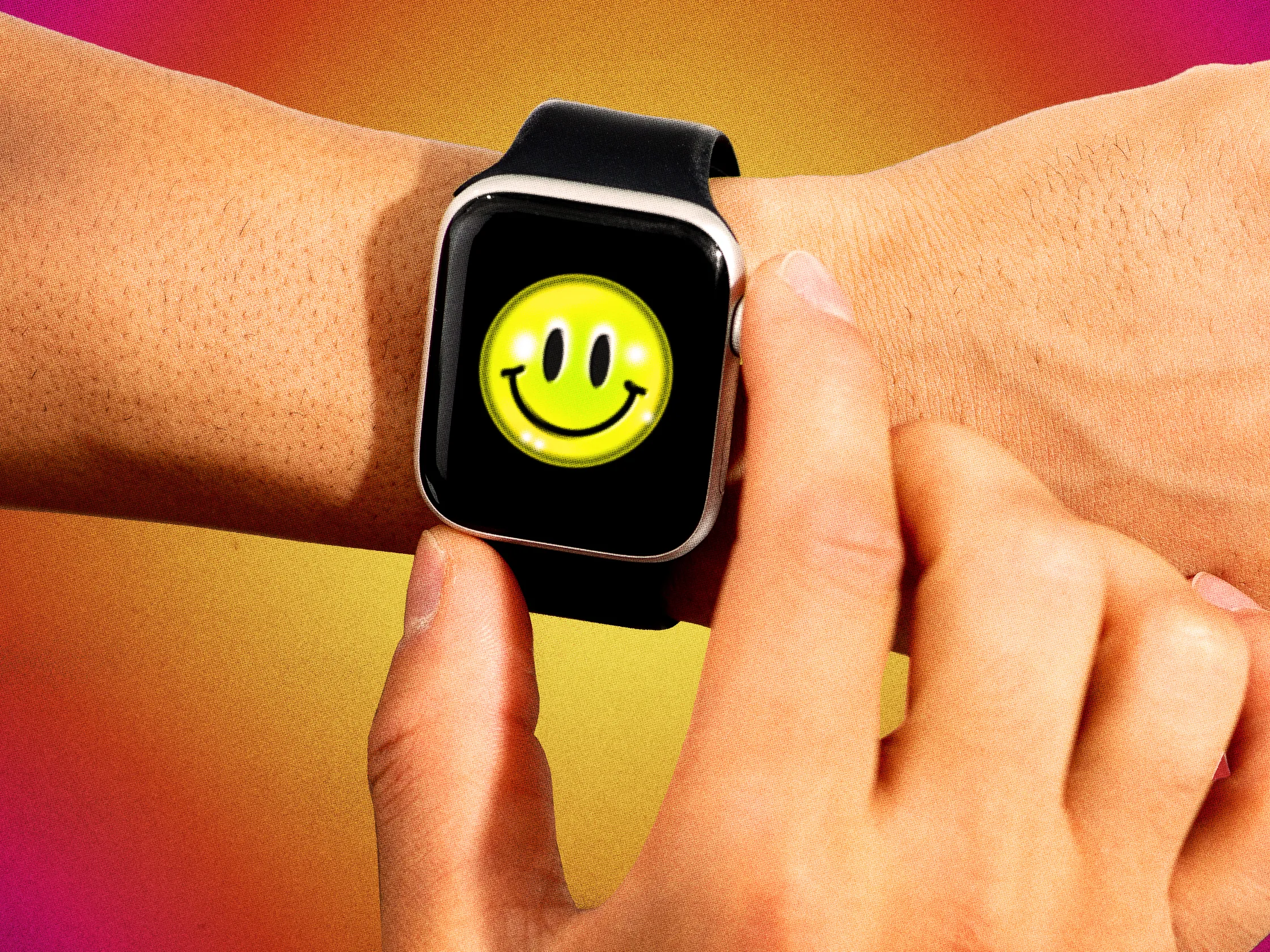
Wearable technology has evolved far beyond counting steps and tracking calories. Devices like the Apple Watch and Oura Ring are now positioned as tools for improving mental wellbeing, promising better sleep, reduced stress, and more mindful living. But can a device on your wrist or finger truly make you happier?
The answer is nuanced. Wearables provide real time insights into your body, from heart rate variability to sleep cycles. This data can help users understand patterns that affect mood, such as poor sleep or elevated stress levels. By making these patterns visible, wearables encourage small but meaningful lifestyle changes, like better sleep routines or regular movement, which can contribute to overall wellbeing.
Another key feature is mindfulness support. Many devices now include guided breathing exercises, stress alerts, and reminders to pause during the day. These prompts can help users break out of stressful cycles and build healthier habits over time. For individuals who struggle with consistency, this kind of gentle nudge can be surprisingly effective.
However, there is a downside. Constant tracking can sometimes create anxiety rather than reduce it. Obsessing over metrics or feeling pressure to meet daily goals may lead to stress, especially if users tie their self worth to numbers on a screen. In such cases, the technology can become counterproductive.
Ultimately, wearables do not create happiness on their own. They act as tools that support awareness and behavior change. When used mindfully, they can enhance wellbeing by helping people make better choices. But true happiness still depends on deeper factors like relationships, purpose, and mental balance.
In the end, a wearable can guide you toward a healthier life, but it is how you respond to that guidance that makes the real difference.